
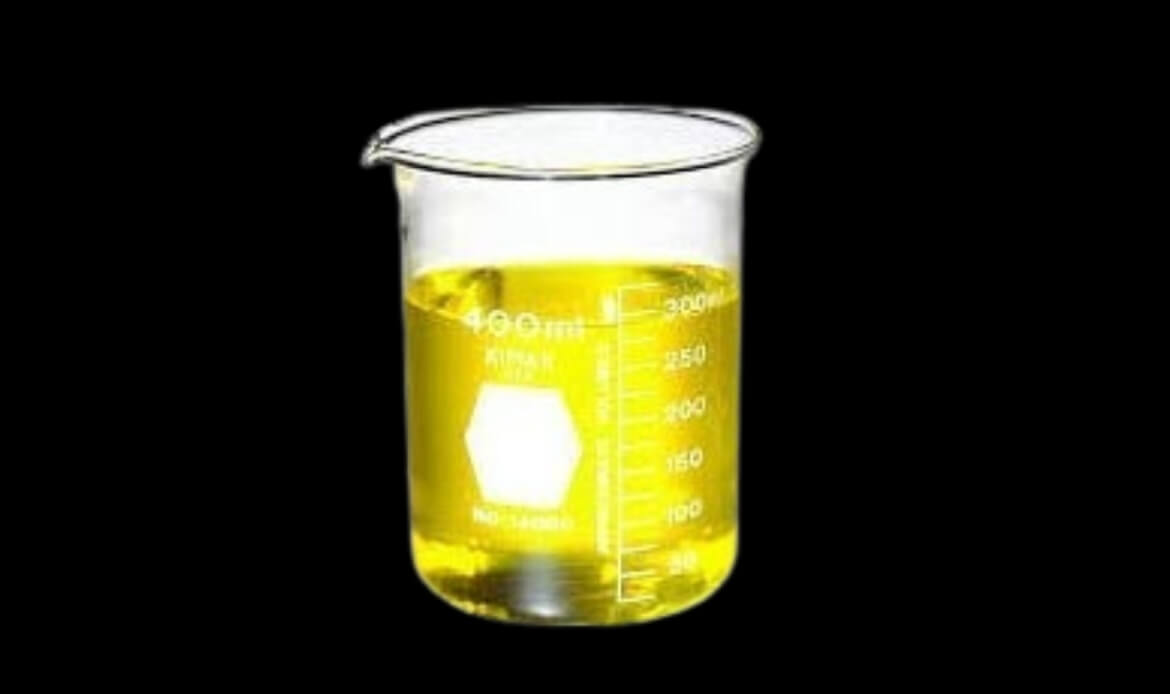
Vinyl Ester Resin based on Bisphenol-A Epoxy backbone combined with methacrylic Acid, thereby imparting excellent thermal and mechanical properties of epoxy resins with the ease of processing and rapid curing of polyester resins It is recommended for use in the manufacture of FRP components employing the methods of Filament winding, Hand Lay-up. Centrifugal casting, Bag Moulding or Pultrusion.
High temperature resistance, extremely good chemical and corrosion resistance, low shrinkage, better adhesion and higher tensile elongation.
Salient Features
Vinyl ester resin the unsaturation is terminal; thereby attributing to the exceptionally reactive
carbon-carbon double bonds. Therefore they cure rapidly, consistently and completely to
give fast green strength and superior creep resistance. A combination of low viscosity and
high molecular weight and a unique chemical structure results in a high corrosion resistance,
crack resistant cross linked thermoset Product
Areas of Application
vinyl ester resin has outstanding resistance to corrosion and stress cracking. Applications
are Pipe drainage, chemical processing and storage in pulp and paper, pulp washing.
effluent discharge, mining, refining, fertilizer, chemical and food processing industries, Vinyl
ester resins are substantially less brittle than polyester resins. It is reflected in tensile
elongation which is around 4-5% when compared with that of corrosion resistant polyester
resins (about 1-1.5%) Vinyl ester resin proved themselves effective against corrosion by
Hydrochloric acid, Chlorinated brine, NaOH, Sodium sulphide, Caustic soda, Chlorine plant
residues. Ferric chloride etc. FRP components based on vinyl ester resin may replace
conventional linings and pipe work material such as glass, special alloys, Stainless steel and
Rubber because they resist a wide range of chemicals and are easy to handle. install and
maintain. Vinyl ester resins are less brittle than glass, lighter and cheaper than stainless
steel and tougher than corrosion resistant polyesters
Specifications
| Sr. No. | Specification | Result |
|---|---|---|
| 1 | Specific Gravity a 25"C | 1 10 |
| 2 | Tensile Strength (kg/cm') | 600-700 |
| 3 | Flexural Strength (kg/cm2) | 1100-1200 |
| 4 | Elongation at break (%) | 2.0- 2.5 |
| 5 | Heat Distortion Temperature (°C) | 125 ± 2 |
| 6 | Barcol Hardness | 35-40 |